Rembrandt Vanrijn
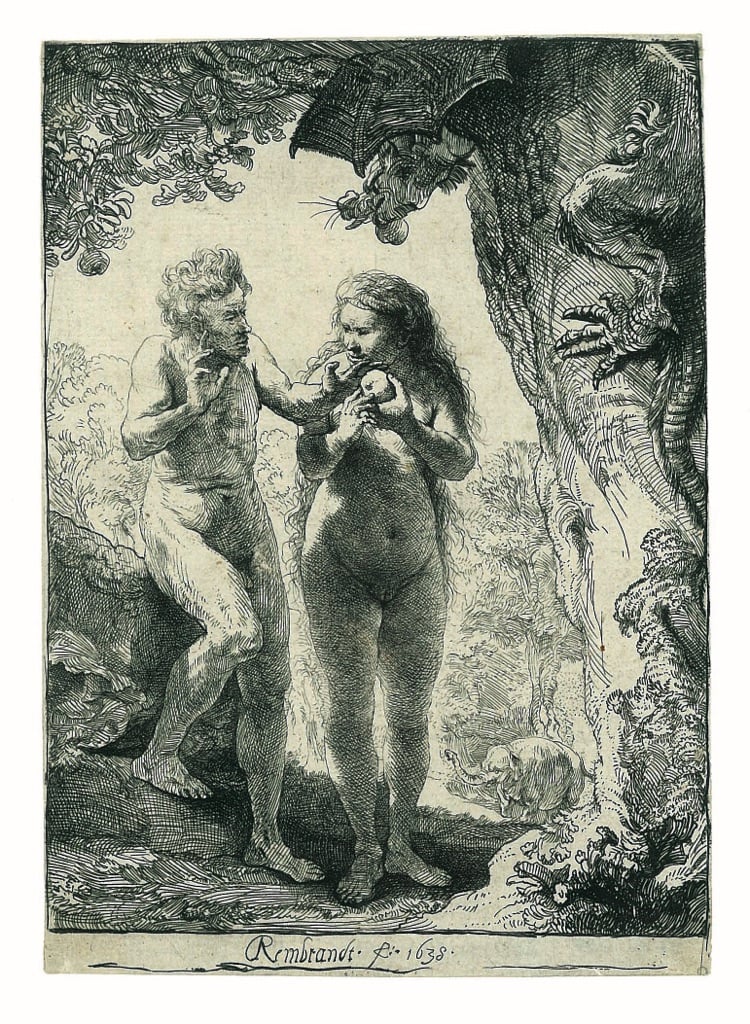
A prolific painter, draftsman, and etcher, Rembrandt van Rijn was a major artist of the Dutch Golden Age. His zealous preoccupation with direct observation—he’s said to have sketched endlessly, taking note of pedestrians, beggars, women, and children—informed his compelling, deeply human portraiture: His canvases convey emotional depth through a keen attention to subjects’ gestures, expressions, […]
Robert Rauschenberg
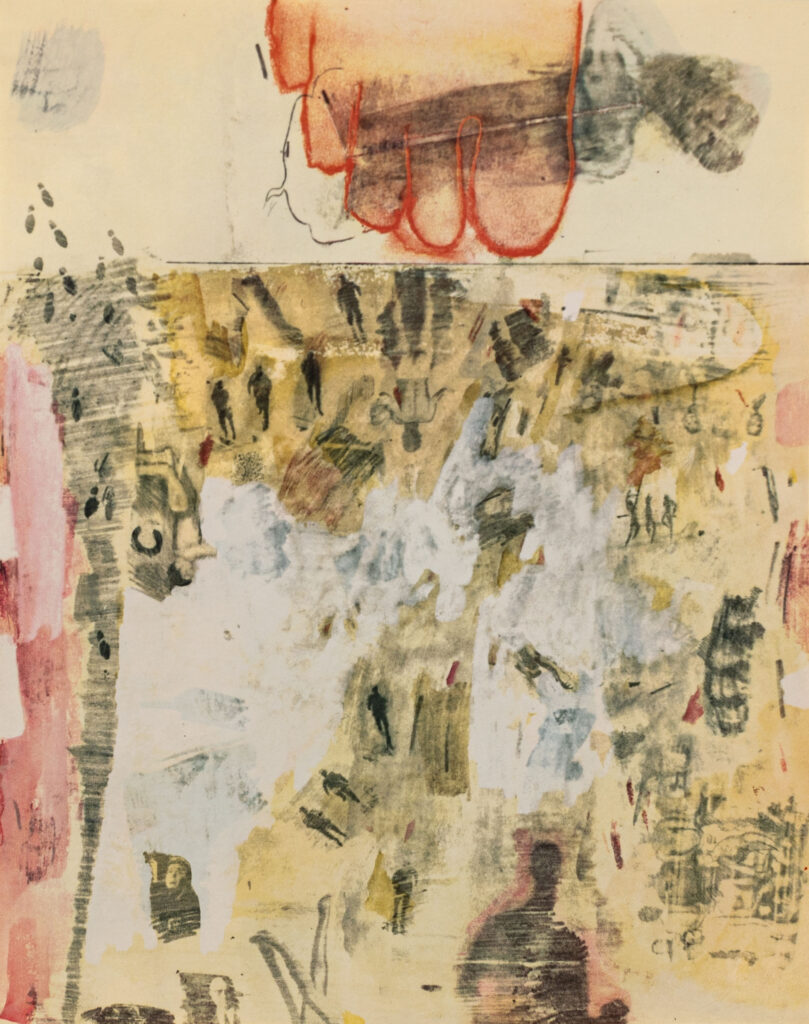
Over the course of his six-decade career, Robert Rauschenberg embraced pop culture, technical experimentation, and material eclecticism. Today, he’s perhaps best known for his radical, three-dimensional “Combines”—which he composed from discarded materials and mundane objects such as sheet metal, newspaper, tires, and umbrellas—and for his colorful silkscreen paintings on which he screen-printed, then painted over, […]
Giovanni Battista Piranesi
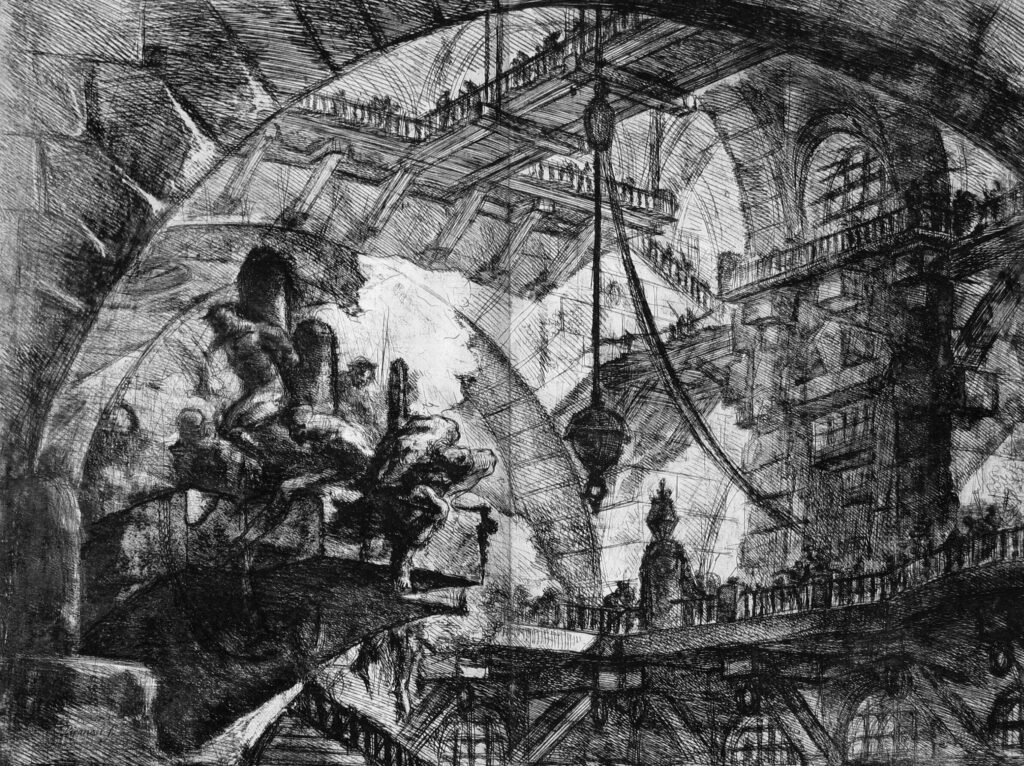
Printmaker, engraver, and antiquarian Giovanni Battista Piranesi once said: “I need to produce great ideas, and I believe that if I were commissioned to design a new universe, I would be mad enough to undertake it.” This would prove an apt description of the fantastical architectural prints he became famous for. An ardent lover of […]
Francesco Piranesi
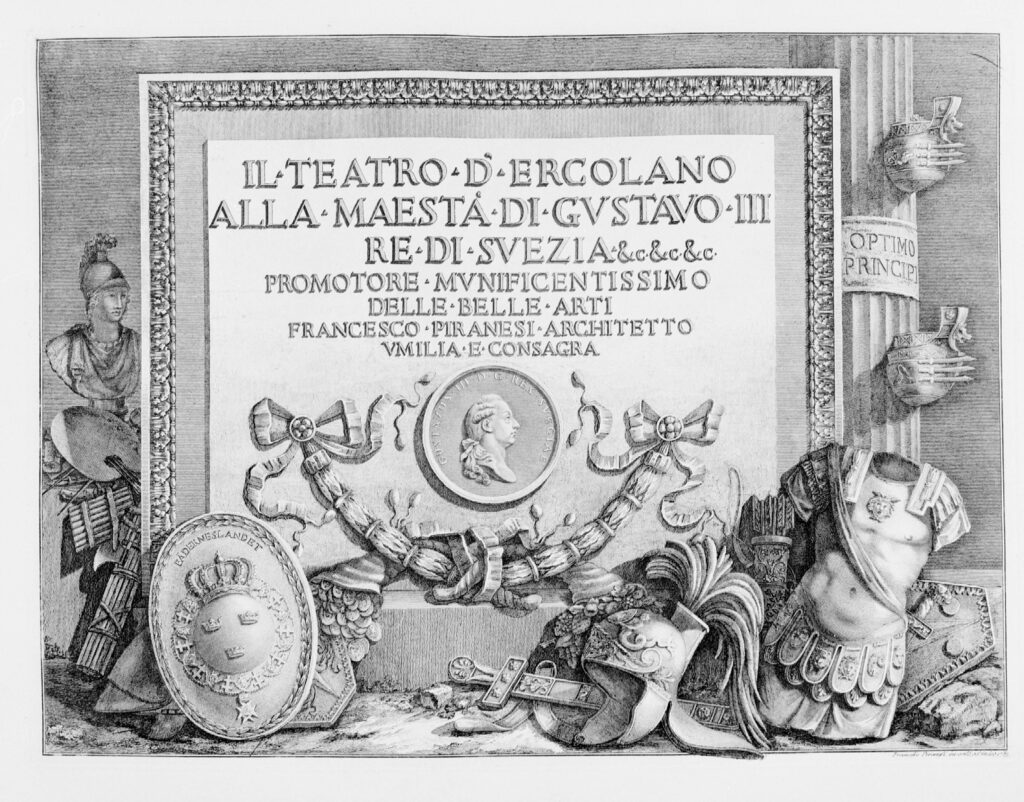
Francesco Piranesi (1758/59 – 23 January 1810) was an Italian engraver, etcher and architect. He was the son of the more famous Giovanni Battista Piranesi and continued his series of engravings representing monuments and ancient temples. He worked for a long period in France, where he lived during the French Revolution. Monumenti degli SCIPIONI Raccolta […]
Pablo Picasso
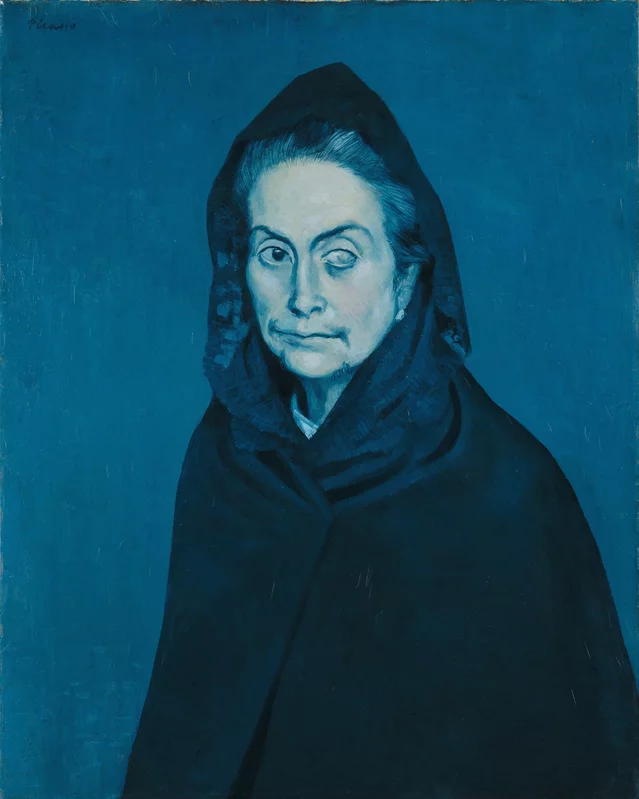
Perhaps the most influential artist of the 20th century, Pablo Picasso may be best known for pioneering Cubism and fracturing the two-dimensional picture plane in order to convey three-dimensional space. Inspired by African and Iberian art, he also contributed to the rise of Surrealism and Expressionism. Picasso’s sizable oeuvre grew to include over 20,000 paintings, […]
Henry Moore
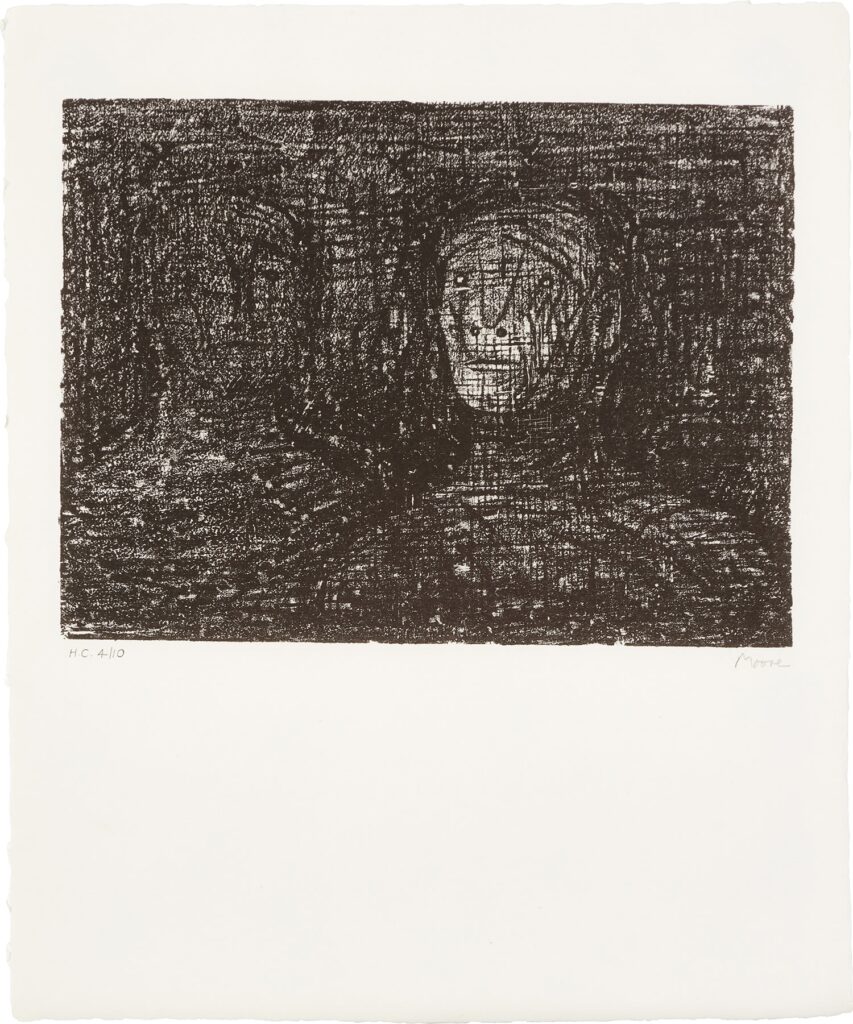
Henry Moore made large-scale modernist sculptures of the human form. While he took inspiration from African and pre-Columbian art, along with the work of his contemporaries such as Pablo Picasso and Alberto Giacometti, Moore developed his own visual language using marble and bronze. Throughout his career, the artist carved the Madonna and Child, nuclear families, […]
Joan Miró
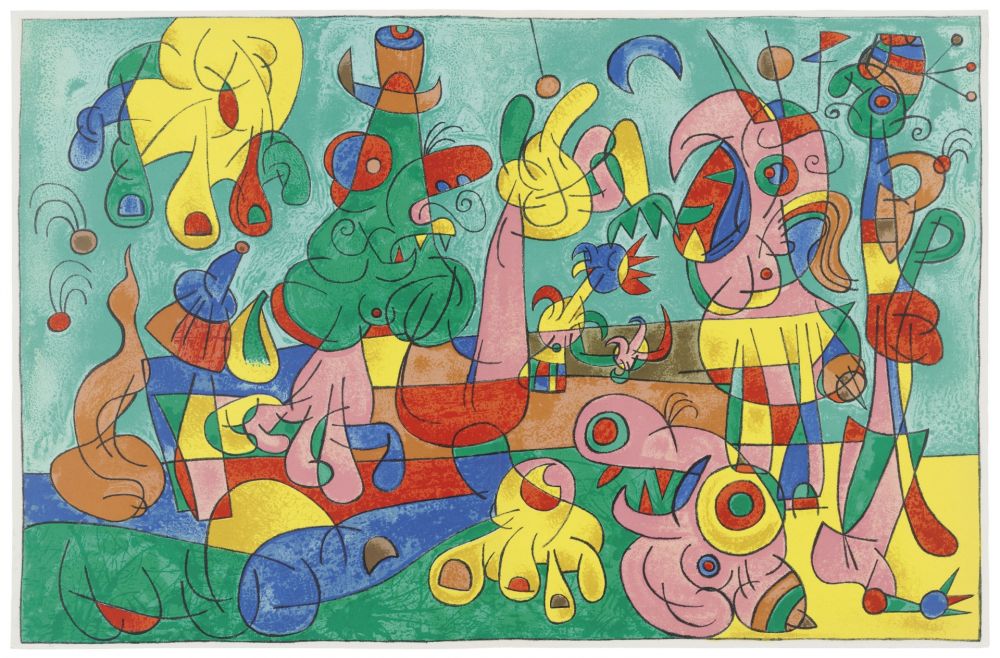
Widely considered one of the leading Surrealists (though he was never officially part of the group), Joan Miró was also a pioneer of automatism: a method of spontaneous drawing that attempted to express the inner workings of the human psyche. Miró used color and form in a symbolic manner, developing intricate compositions and a wandering […]
André Masson
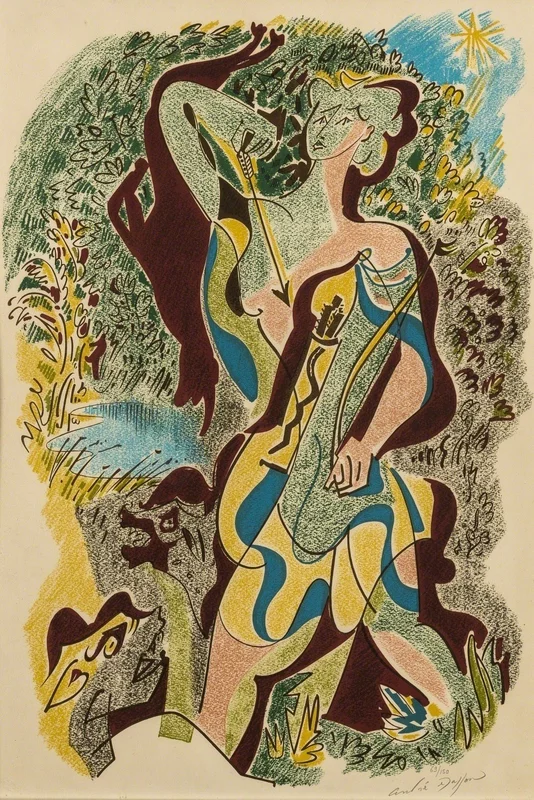
An early Surrealist and devotee of Cubism—who went on to inspire the New York Abstract Expressionists before taking up a late interest in impressionistic landscapes—André Masson was an iconoclast whose abrupt stylistic transitions defy classification. Along with Joan Miró, he explored automatic drawing, seeking to express the creative force of the unconscious. This led to […]
Marino Marini
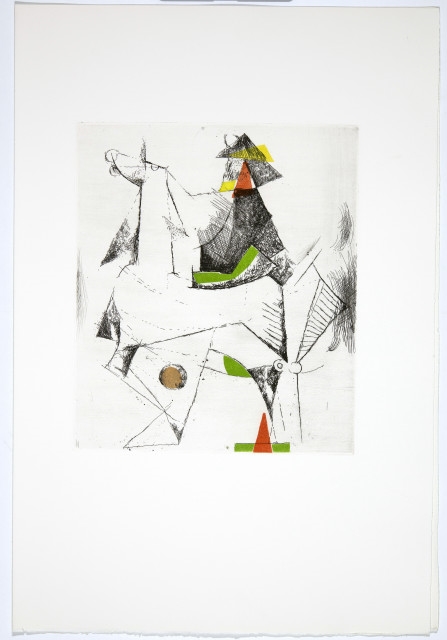
One of Italy’s most celebrated sculptors of the 20th century, Marino Marini primarily produced figurative bronze sculptures, though his practice also included paintings, drawings and etchings. Marini drew on the tradition of Etruscan and northern European sculpture, reinterpreting classical themes such as the female nude, the portrait bust, and the equestrian figure, which he combined […]
Aristide Maillol
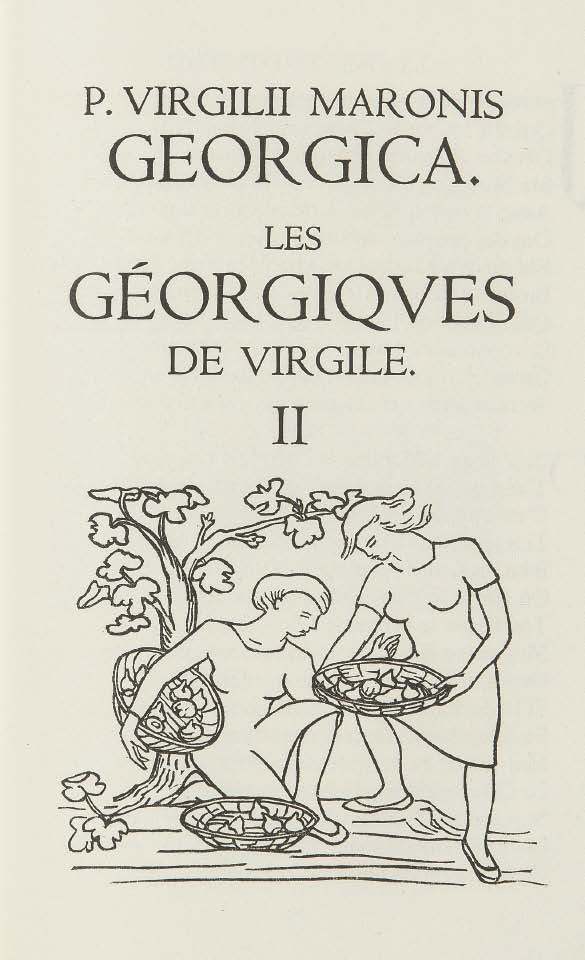
French ceramicist, tapestry-maker, painter and sculptor, Aristide Maillol was one of the leading figurative sculptors of his time. Best known for his classical and simplified depictions of the female nude, a subject that captivated the artist throughout his artistic life, Maillol drew inspiration from Greek and Roman sculpture, as well as from more modern sources […]