Obey
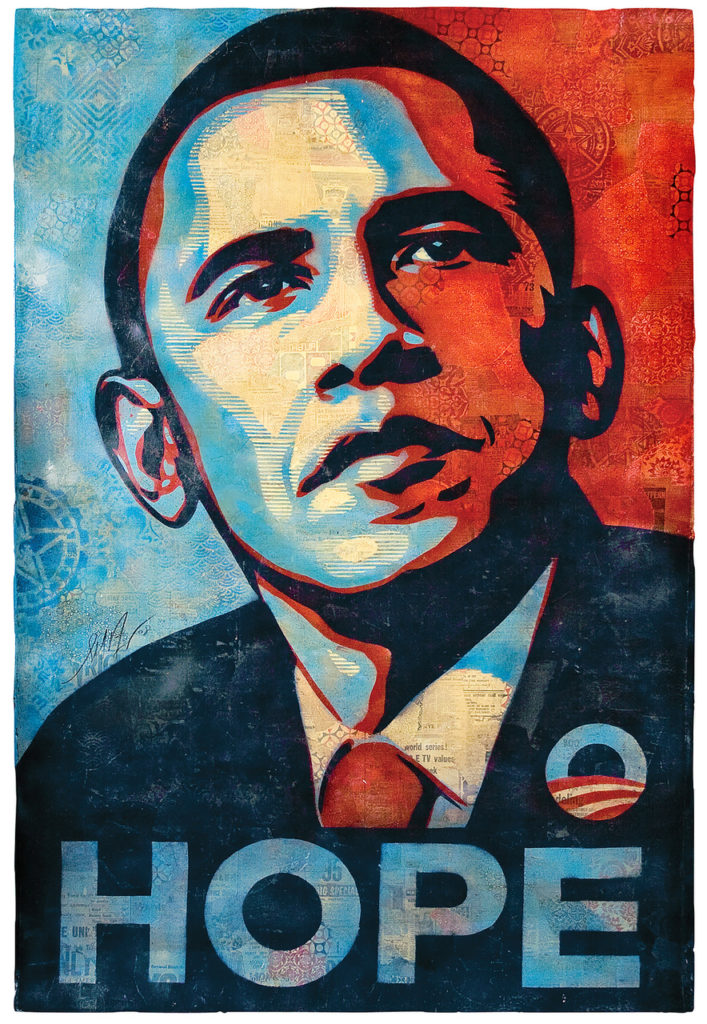
SHEPARD FAIREY (aka OBEY) – The son of a doctor and a real estate agent, Fairey grew up in South Carolina and studied at the Idyllwild Arts Academy, where he graduated in 1988. In 1989, he created the street art campaign Andre the Giant Has a Posse, putting up stickers around the city with the […]
Wassily Kandinsky
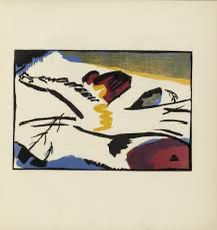
Wassily Kandinsky pioneered abstract painting in the early 20th century. He believed that geometric forms, lines, and colors could express the inner life of the artist—a theory quite evident in his own explosive paintings, which were often inspired by music. Today, Kandinsky’s canvases sell for tens of millions at auction and belong in the collections […]
Fortunato Depero
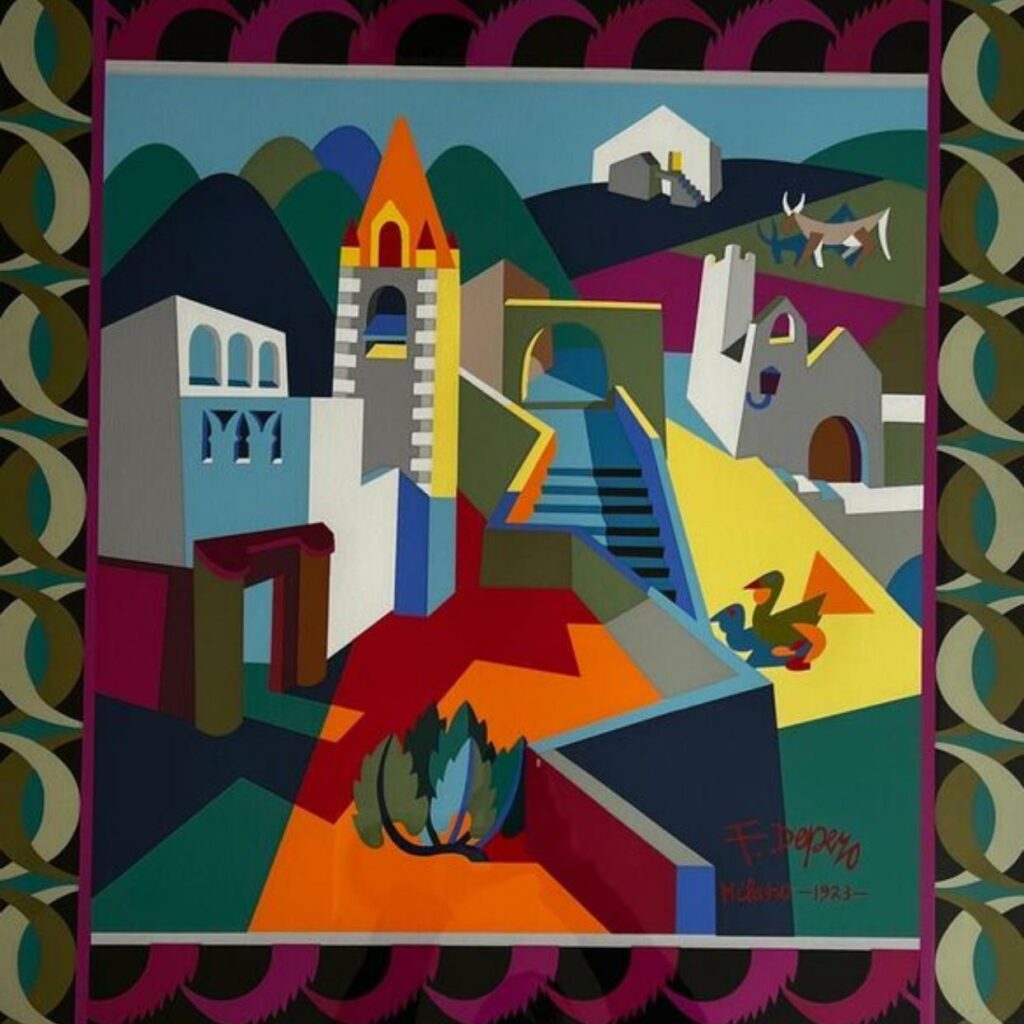
Multidisciplinary artist Fortunato Depero was a minor member of the Italian Futurists who used bold typography and dynamic lines in primary colors across his geometric work in painting, design, and architecture. More than his peers, including Giacomo Balla and Umberto Boccioni, Depero’s work in a range of media collapsed hierarchical barriers between art forms. The […]
Edgar Degas
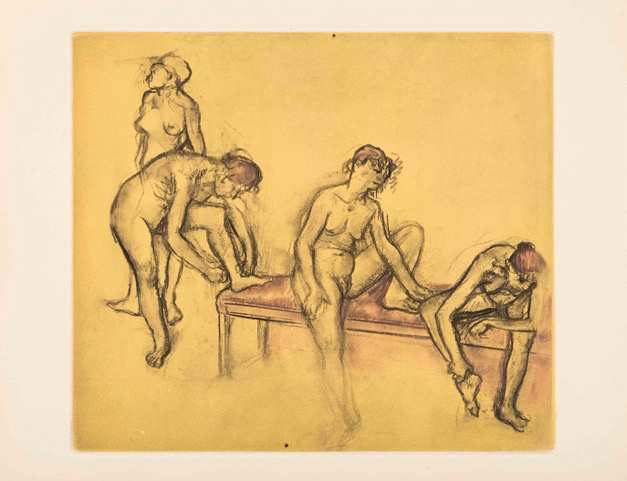
Though he rejected the label, Edgar Degas significantly contributed to Impressionism with his expressive paintings of modern Paris—its ballet studios, in particular. The artist rendered the city’s theaters, cafés, and dancers in soft, atmospheric compositions. Degas’s subject matter distinguished him from his Impressionist counterparts: He favored dynamic group scenes and highly poised portraits over the […]
Man Ray, Dora Maar and Paul Eluard
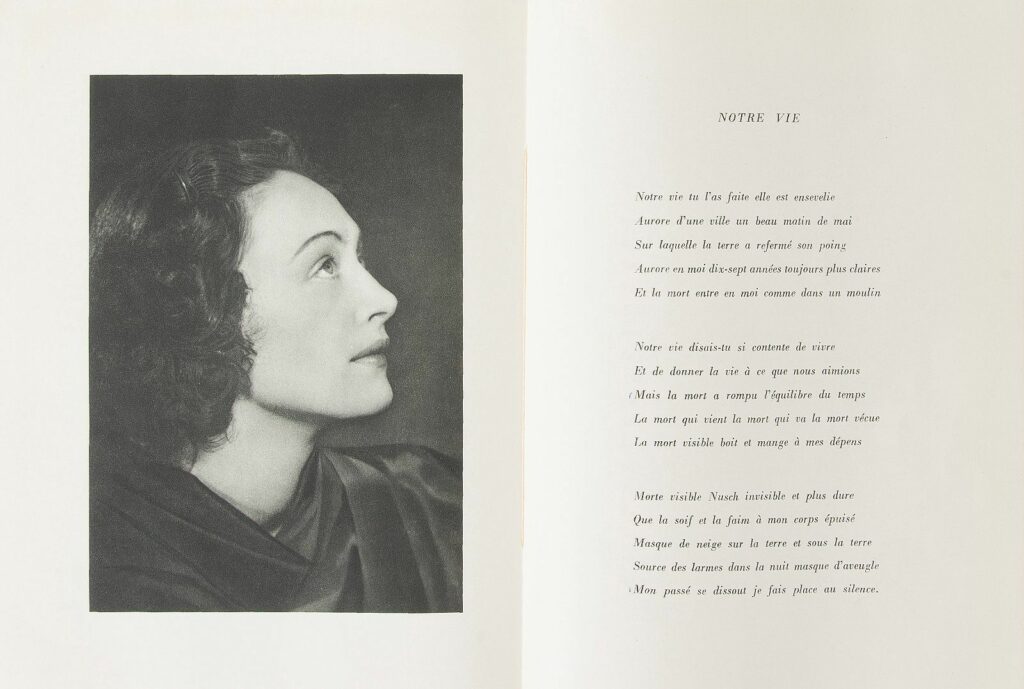
A tribute to Nusch, who died suddenly on 28 November 1946 of a cerebral haemorrhage, this collection contains poems dated from October to November 1946. On the day of his death the poet writes: “We shall not grow old together Here is the day In excess: time overflows”. Le Temps déborde Paris, Cahiers d’Arts 1947, […]
Victor Vasarely
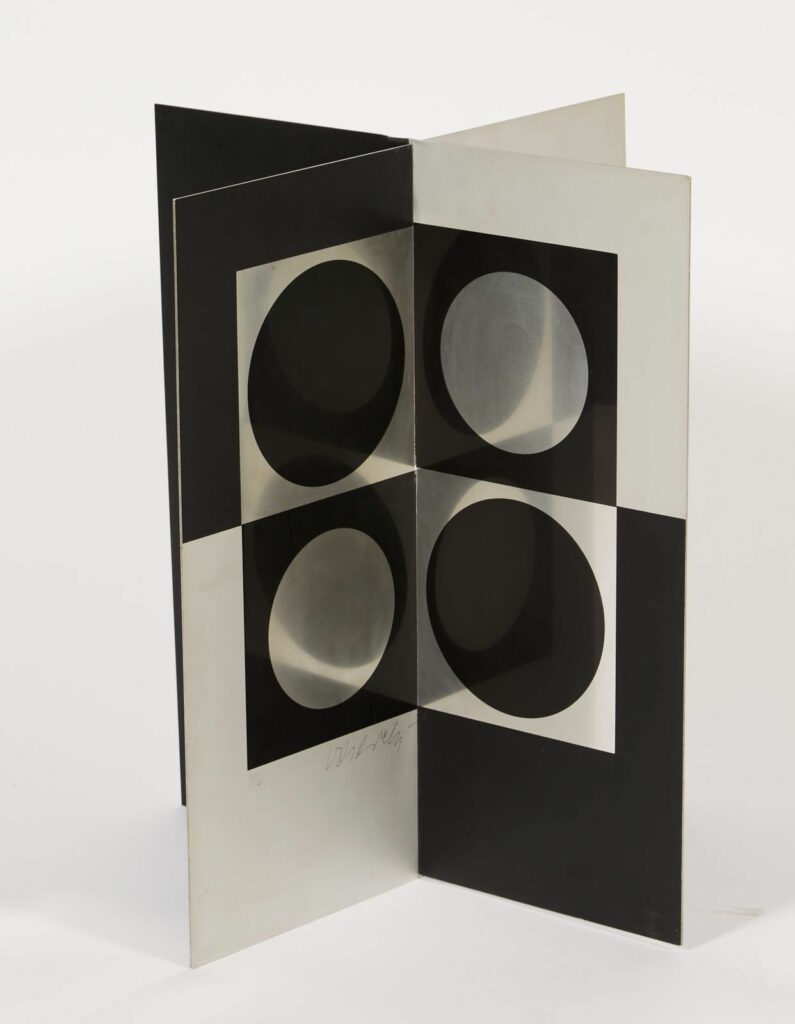
Victor Vasarely’s complex paintings and sculptures helped define the ethos of the Op art movement. The artist’s vibrant compositions feature a mix of rigidly geometric and more fluid forms which, when combined with monochromatic or diverse color palettes, produce the optical illusions that give Op art its name. Vasarely studied medicine at the University of […]
Anton Vandyck and Students
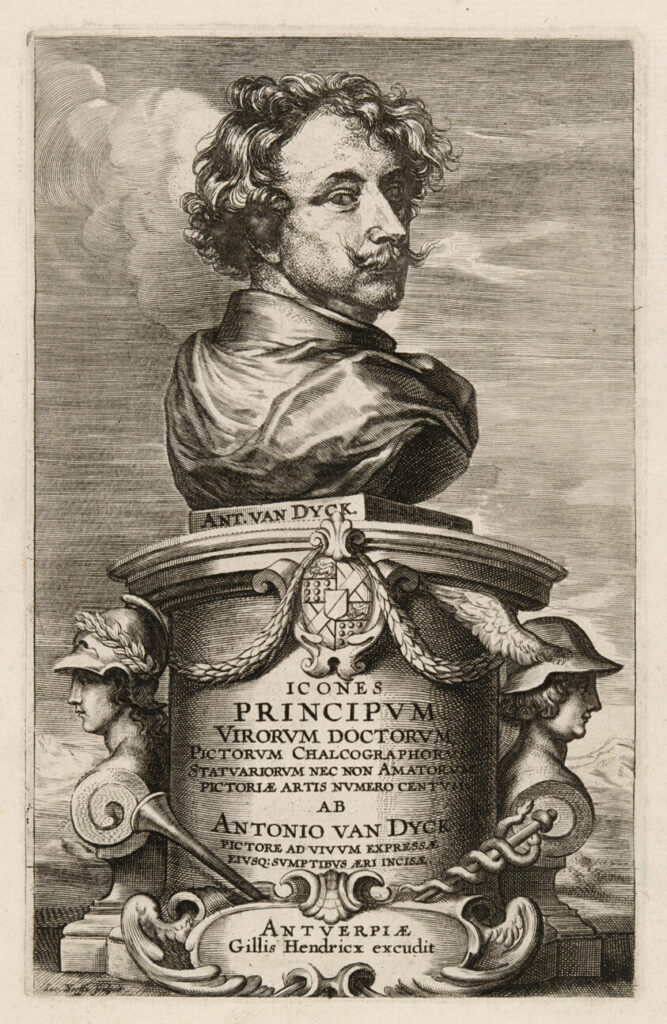
With the exception of Holbein, van Dyck and his contemporary Diego Velázquez were the first painters of pre-eminent talent to work mainly as court portraitists, revolutionising the genre. Van Dyck is best known for his portraits of the aristocracy, most notably Charles I, and his family and associates. He was the dominant influence on English […]
Salvator Rosa
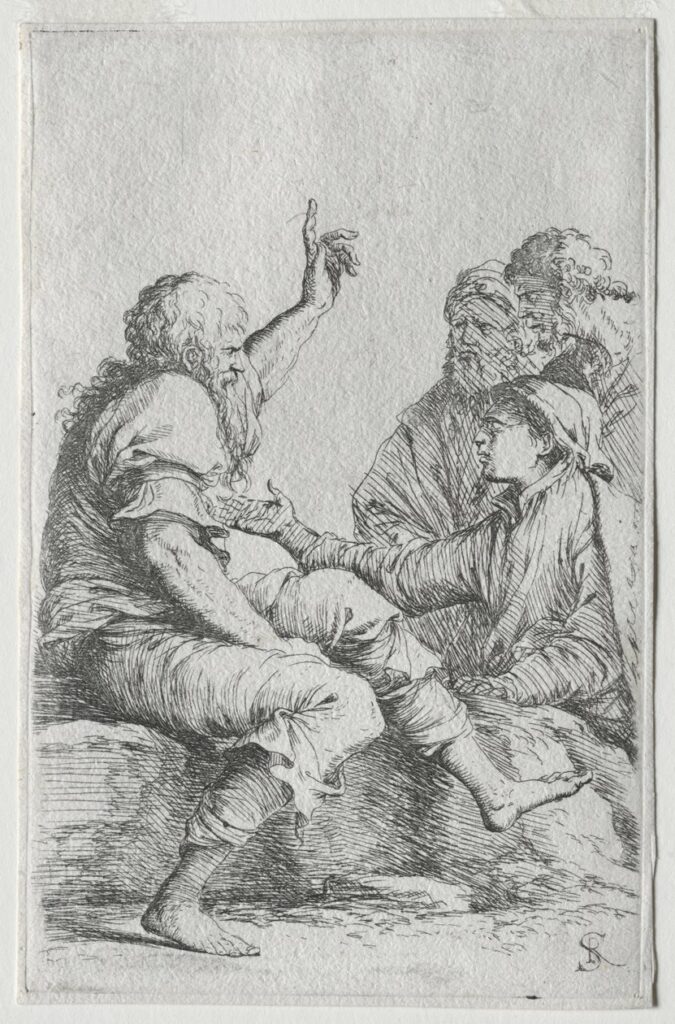
As a history painter, he often selected obscure and esoteric subjects from the Bible, mythology, and the lives of philosophers, that were seldom addressed by other artists. He rarely painted the common religious subjects, unless they allowed a treatment dominated by the landscape element. He also produced battle scenes, allegories, scenes of witchcraft, and many […]
George Rouault
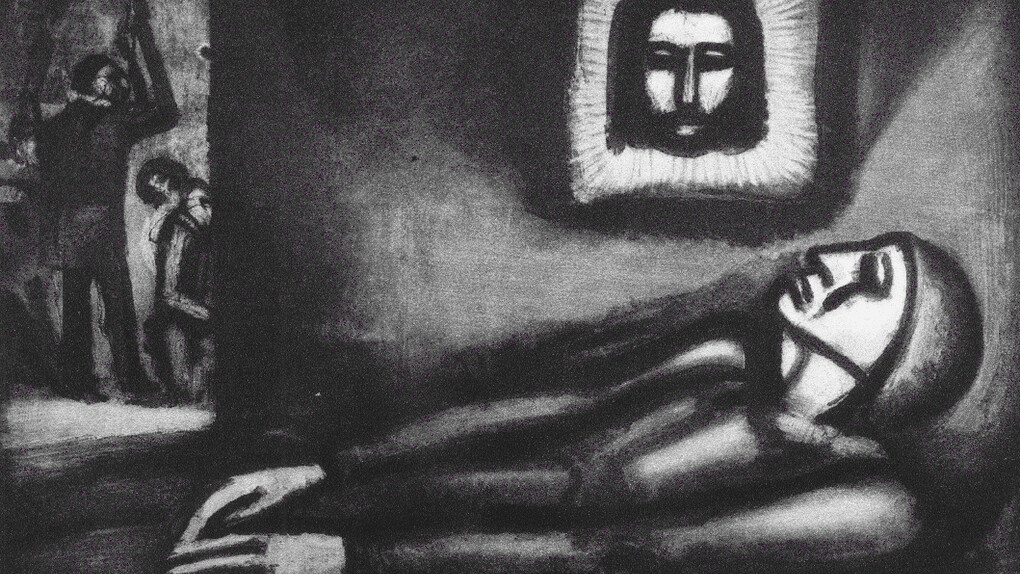
A pioneering expressionist painter (influenced by the German Expressionists, though not formally associated with that group), Georges Rouault created pictures recognizable for the thick black brushstrokes that outline their subjects, as in le lutteur, no. 3 (1913). Rouault’s works resemble the cloissonisme of decorative glasswork, a look often attributed to the artist’s teenage years spent […]
Pierre Auguste Renoir
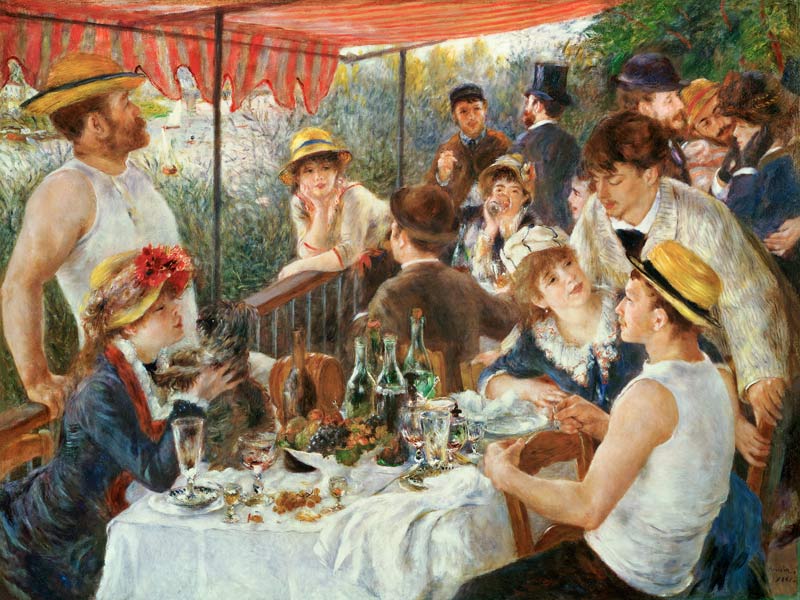
With intuitive, emotive manipulations of color and an expansive vocabulary of short, quick, loose brushstrokes, Pierre-Auguste Renoir helped pioneer the Impressionist school of painting. Along with his friend Claude Monet, he privileged spontaneity and the particularity of light over traditional artistic techniques. Though Renoir eventually moved away from this style and again embraced classical methods, […]