Marc Chagall
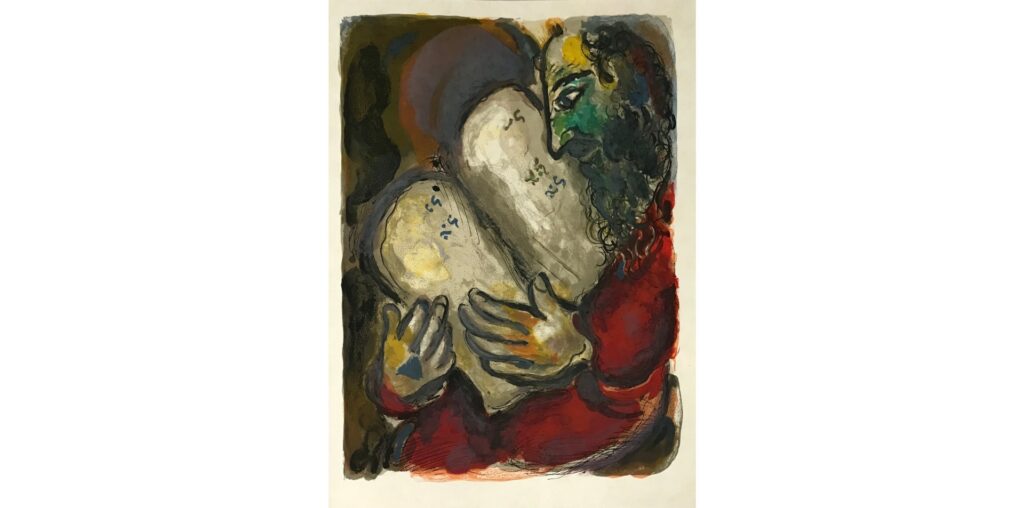
Marc Chagall’s dreamlike compositions depict aspects of the artist’s personal and family histories, and those of Eastern European folklore at large. Flying figures, elements of Jewish tradition, peasant life, and animals are frequent motifs. Chagall’s practice—which spanned painting, printmaking, books, ceramics, and stained glass—was immensely influential in the development of 20th-century art: His supernatural subjects […]
Carlo Carlà
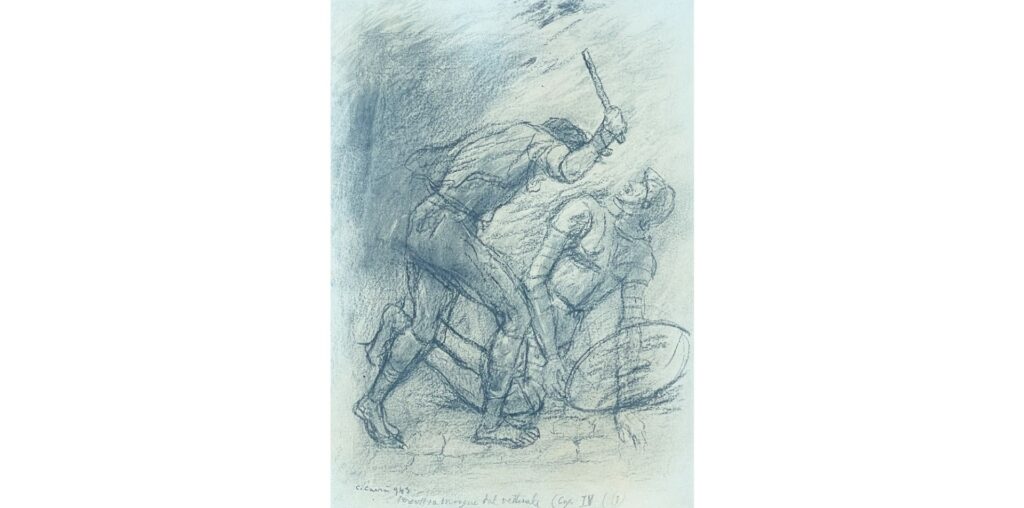
A highly influential Italian painter of the early 20th century, Carlo Carrà began to identify with Futurism after meeting Umberto Boccioni in 1909. His most famous painting, The Funeral of the Anarchist Galli (1911), embodies Futurist ideals in its portrayal of dynamic action and power through intersecting planes and violent, angular forms and colors. Carrà […]
Anselmo Bucci
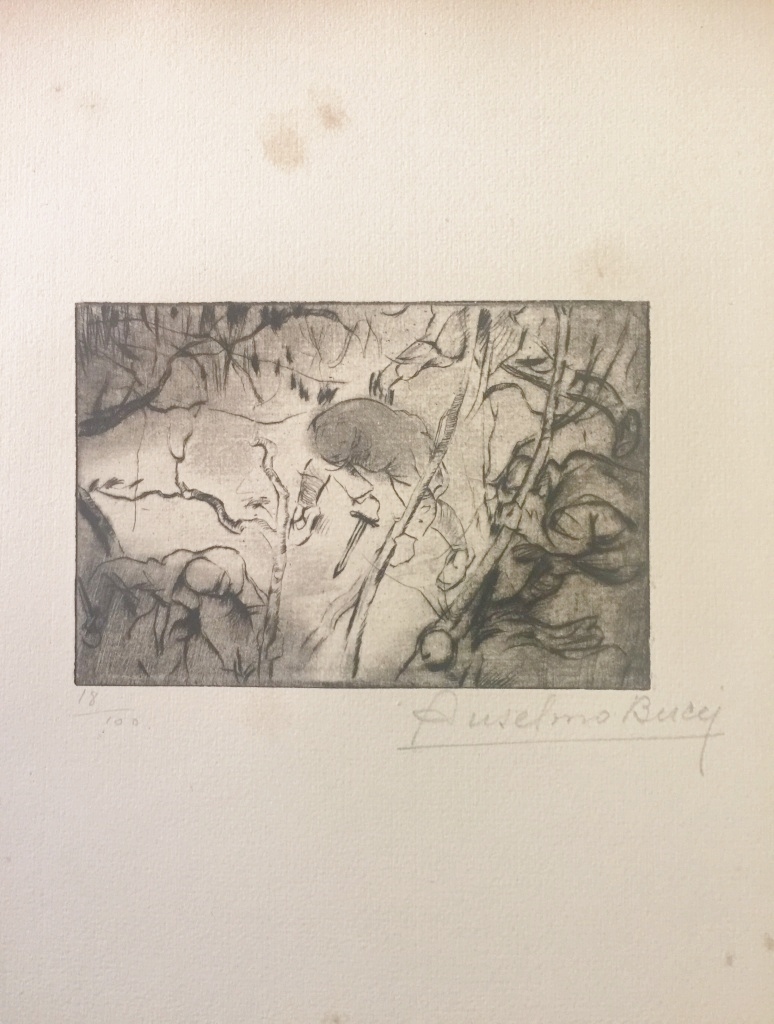
Bucci was born in Fossombrone, Italy. Having attended the Brera Academy in Milan from 1904 to 1905, he moved to Paris with Leonardo Dudreville in 1906. As a painter of Symbolist works with marked Fauvist overtones, he made his debut at the Salon des Art Décoratifs in 1907 and took part in the Salon des […]
Hans Arp
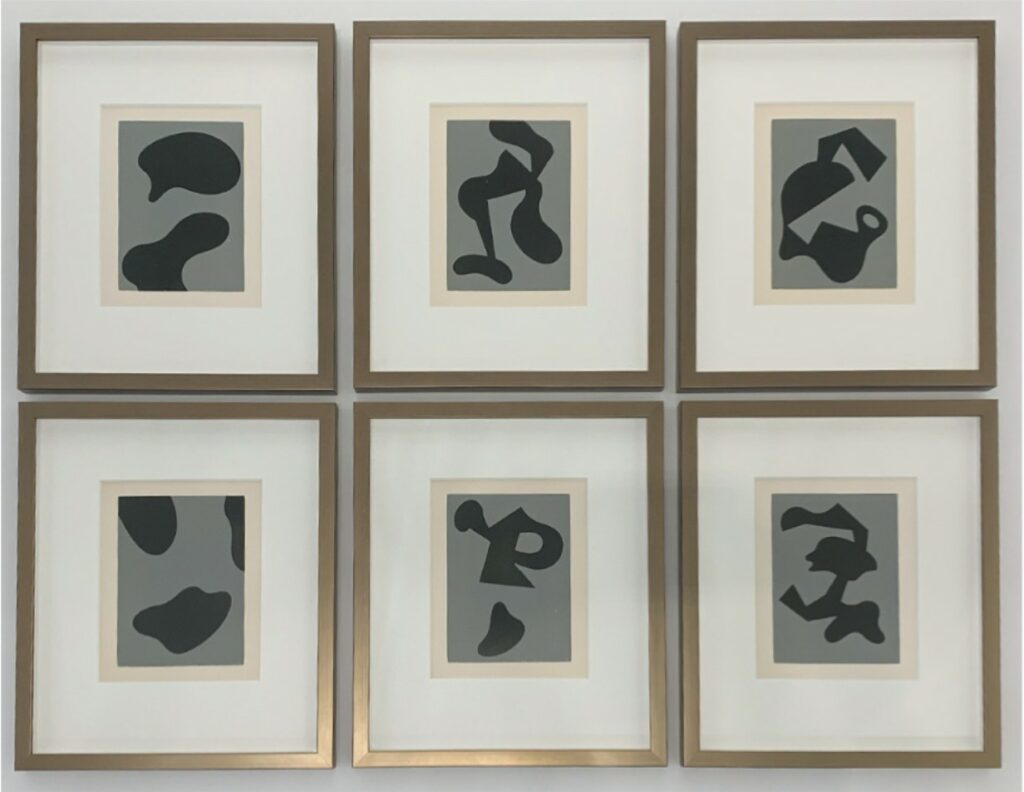
A pioneer of abstract art, Jean (aka Hans) Arp was instrumental in founding the Dada movement and participated actively in Surrealism and Constructivism. In his collages, reliefs, and sculptures, Arp often incorporated waste material such as discarded paper and fabric, and embraced chance and spontaneity as integral components of the artistic process. In Collage with Squares Arranged According to the Laws […]